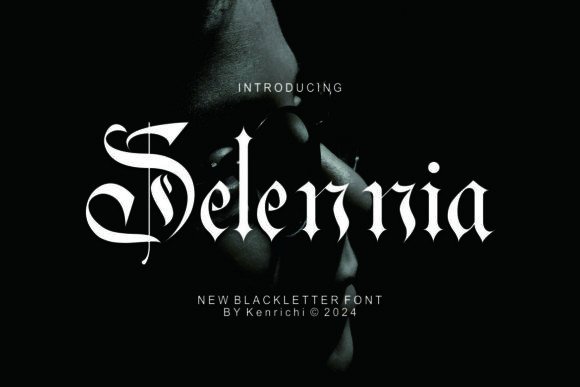
Selennia Font: A Bold Blackletter Typeface for Makers
As a small shop owner who spends hours perfecting product labels, designing wedding invitations, and creating digital downloads, I know that the right typeface can make or break a design. It is not just about picking letters; it is about setting a mood, establishing brand identity, and ensuring your handmade items stand out in a crowded marketplace. That is why I was immediately drawn to Selennia Font. This bold and thick lettered blackletter font brings a level of drama and historical charm that few other fonts can match. Whether you are a Cricut user making vinyl decals or a stationery designer crafting high-end greeting cards, Selennia offers a unique visual personality that commands attention while remaining surprisingly versatile for modern craft projects.
The Visual Personality of Selennia
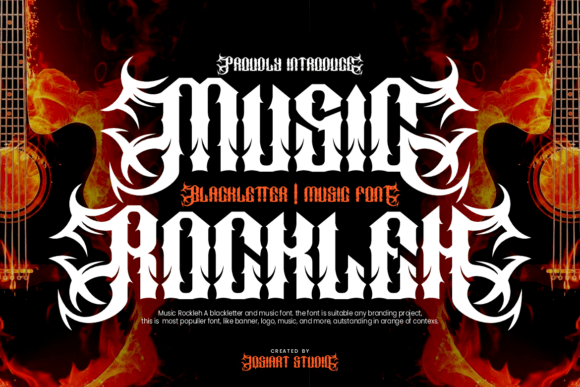
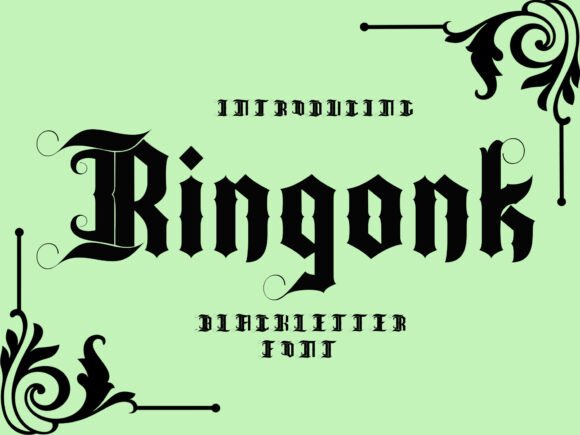
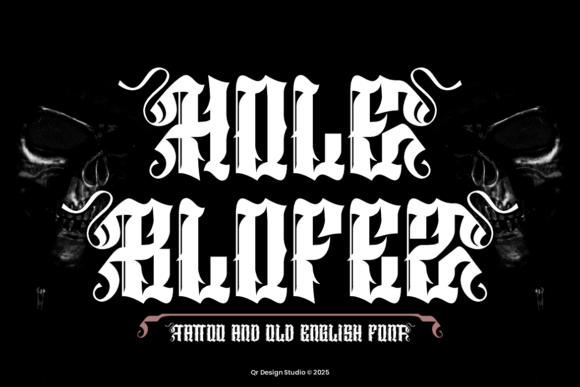
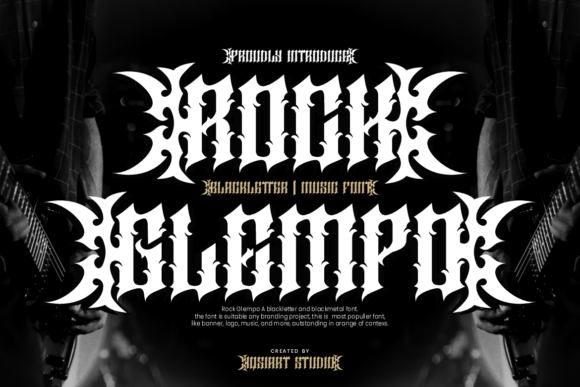
Selennia is not your average display font. It leans heavily into the gothic tradition, featuring sharp angles, heavy strokes, and intricate details that evoke a sense of timeless elegance. Unlike some ornate scripts that can become illegible at smaller sizes, this premium font maintains its structural integrity even when scaled down for stickers or product tags. The "thick" nature of the lettering gives it a solid presence, making it ideal for headlines, logos, and short decorative phrases where you want the text to act as a graphic element itself. When I first tested Selennia on a set of farmhouse-style wood signs, the contrast between the dark, heavy ink and the rustic background created an instant focal point that drew customers in.
What truly sets this creative font apart is its PUA (Private Use Area) encoding. For those of us who rely on design software like Silhouette Studio, Adobe Illustrator, or Procreate, PUA encoding is a game-changer. It means you can access every single glyph, alternate character, and swash directly from your keyboard without needing complex ligature panels or extra software plugins. This feature saves valuable time during production runs, allowing you to quickly swap out standard letters for more decorative variants to customize names on wedding welcome boards or personalize candle labels.
Practical Applications for Handmade Products
The versatility of Selennia Font shines when applied to physical products. Because it is a display font, it works best for short phrases, titles, and names rather than long blocks of body text. Here are several ways I have successfully integrated it into my product line:
- Product Packaging and Labels: The bold weight of Selennia looks stunning on jar labels for small-batch jams, honey, or soy candles. It adds a touch of artisanal quality that suggests a premium product.
- Wedding and Event Stationery: Use it for the main headings on wedding invitations, save-the-dates, or menu cards. Its gothic flair pairs beautifully with formal events or themed weddings.
- Vinyl Decals and Stickers: When cutting vinyl with a Cricut or Silhouette, the thick strokes of this blackletter style ensure that delicate bridges do not weed away easily, resulting in durable decals for mugs, tumblers, and laptops.
- Apparel and Tote Bags: The strong lines translate well to heat transfer vinyl (HTV) for t-shirts and tote bags, creating a bold statement piece that remains readable from a distance.
- Digital Printables: Create motivational wall art, planner covers, or holiday cards where the typography serves as the primary illustration.
Enhancing Brand Perception and Readability
In the world of handmade business, perceived quality is everything. Using a distinctive typeface like Selennia helps establish a cohesive brand identity. When customers see consistent typography across your packaging, social media graphics, and website, it builds recognition and trust. However, readability is crucial. While Selennia is highly decorative, its thick strokes help maintain legibility. For best results, use it for words or phrases under six words. If you need to include longer descriptions on a product label or invitation, pair Selennia with a clean sans serif font or a simple serif font for the body text. This contrast ensures that the eye is drawn to the dramatic title first, then comfortably moves to the informational details.
For example, on a boutique clothing tag, I used Selennia for the brand name and a minimalist sans serif for the care instructions and size. This combination felt modern yet classic. Similarly, for a Halloween-themed printable pack, the gothic nature of the font fit the season perfectly without looking cliché, proving that this commercial font works year-round with the right styling.
Font Pairing and Design Tips
To get the most out of Selennia Font, consider how it interacts with other design assets. Because it is so expressive, it pairs exceptionally well with understated companions. Try combining it with a delicate script font or a handwritten font for a romantic, vintage feel on wedding suites. Alternatively, juxtapose it with a geometric sans serif font for a striking, modern look that works well for streetwear brands or edgy poster designs. When working on logo design or packaging design, remember to utilize the included swashes and alternates. These small flourishes can turn a standard word into a custom emblem, adding that extra layer of craftsmanship that buyers love.
Before finalizing any project, always print a test sheet or create a mockup preview. Check how the font renders at different sizes, especially if you are creating small stickers or intricate product labels. Ensure there is enough spacing (kerning) between the letters so the dense blackletter style does not become a solid block of ink. With Selennia's PUA encoding, adjusting these details is straightforward, giving you full control over the final aesthetic.
Licensing for Commercial Success
Finally, a crucial note for fellow creators: always verify the licensing terms before using Selennia Font in your commercial projects. Whether you are selling physical goods like mugs and shirts, offering digital downloads like SVG files or printable templates, or providing client services such as web design and social media graphics, you need a license that covers commercial use. Most premium fonts offer specific licenses for these purposes, ensuring you are protected while you grow your business. By investing in the right design assets and understanding their usage rights, you can confidently add Selennia to your toolkit and love the results, knowing your work is both beautiful and legally sound.